Emergency Dentist Ventura: Do You Need Immediate Attention or Can It Wait

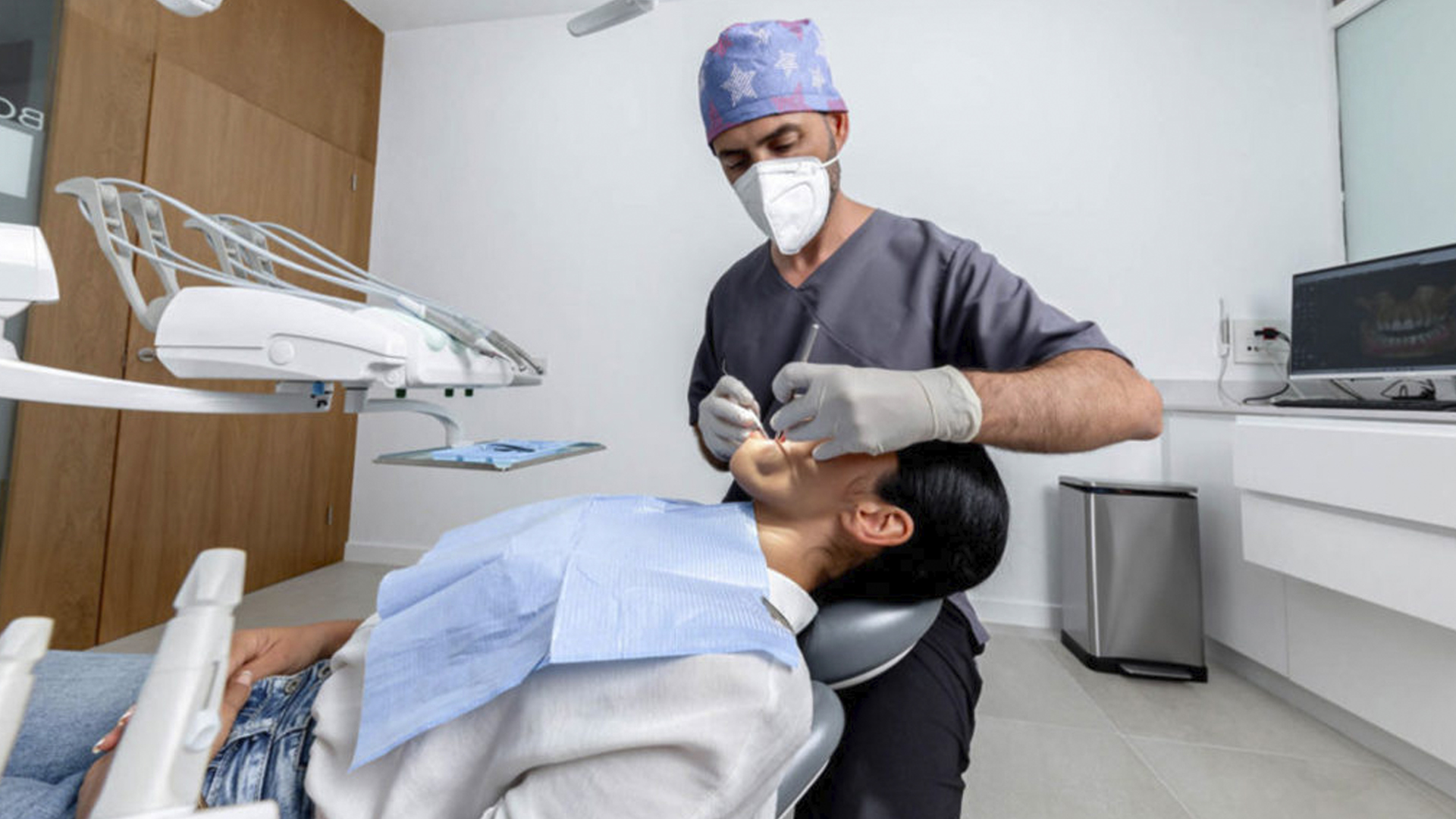
Dental pain has a way of taking over everything. It interrupts sleep, derails work, makes a simple meal feel impossible, and leaves people wondering whether they should call an emergency dentist in Ventura right away or try to get through the night. That uncertainty is common. Not every dental problem is a true emergency, but some situations are time-sensitive enough that waiting can turn a manageable problem into a more painful, expensive one.
The real question is not simply, “Does this hurt?” It is, “What is happening, how fast could it get worse, and what are the risks if I wait?” Those are the questions dentists weigh every day. A cracked molar after biting down on something hard is different from a little soreness after a cleaning. A knocked-out tooth has a short window where quick action matters. Facial swelling, bleeding that does not stop, or pain paired with fever can point to something much more serious than a cavity.
If you are trying to judge whether you need same-day care, it helps to think like a clinician. Severity matters, but so do timing, swelling, infection risk, trauma, and whether the tooth or surrounding tissue can still be saved.
The difference between urgent and inconvenient
A lot of dental problems feel urgent because the mouth is sensitive and highly visible. A chipped front tooth before a big event can feel like a crisis, even if medically it can wait a day or two. On the other hand, a back tooth that only “aches a little” may hide an infection that is building pressure under the surface.
In practice, emergencies tend to fall into a few categories. The first is trauma, such as a knocked-out tooth, a tooth pushed out of position, a jaw injury, or a deep crack exposing the nerve. The second is uncontrolled symptoms, which include heavy bleeding, severe pain that is not responding to over-the-counter medication, or swelling that is spreading. The third is infection, especially when it affects your ability to swallow, breathe, or fully open your mouth. Then there are urgent restorative issues, like a lost crown on a tooth with active decay or a broken tooth with a sharp edge cutting your cheek.
By contrast, some issues are uncomfortable but can usually wait for a prompt, non-emergency visit. Mild tooth sensitivity to cold, a small chip with no pain, a lost filling without significant sensitivity, or gum soreness from food trapped between teeth often fit into that category. They still deserve attention, just not necessarily a middle-of-the-night call.
What makes this tricky is that symptoms do not always match the seriousness of the problem. Some abscesses begin with only moderate discomfort. Some cracked teeth hurt sharply for a day, then quiet down while the crack worsens. That is why timing matters. If a symptom is new, escalating, or paired with swelling or fever, the threshold for seeking immediate care should be lower.
When you should seek immediate dental attention
There are certain signs that should move you from “watch and wait” to “call now.” These are the situations where an emergency dentist in Ventura is likely the right next step, and in a few cases, where a hospital emergency room may be more appropriate.
- A tooth has been knocked out, loosened, or pushed out of place after trauma.
- You have facial swelling, gum swelling, or tooth pain with fever, bad taste, or pus.
- Bleeding in the mouth does not stop after firm pressure for about 10 to 15 minutes.
- A tooth is cracked or broken with severe pain, exposed pink or red tissue, or sharp edges injuring your mouth.
- Swelling, pain, or injury is affecting breathing, swallowing, or jaw movement.
Those five scenarios justify fast action because there is a real risk of losing the tooth, spreading infection, or worsening tissue damage. A knocked-out permanent tooth is the clearest example. If it is handled properly and replanted quickly, sometimes within 30 to 60 minutes, the chances of saving it are much better. If it dries out or sits too long, the prognosis drops sharply.
Swelling deserves special respect. People often underestimate dental infections because they start in a tooth. But the mouth and face are full of connective tissue spaces, and infections can spread. If the swelling is visible in the cheek, under the jaw, or around the eye, or if it is growing quickly, that is not something to “sleep off.” Fever, chills, or feeling generally unwell raise the concern further.
Persistent bleeding is another one people misjudge. A little oozing after a tooth extraction may be normal. Active bleeding that keeps soaking gauze after you have applied steady pressure is not. The same goes for trauma from a fall, sports injury, or accident. Dental injuries often come with soft tissue cuts, root fractures, or jaw fractures that are not obvious at first glance.
Problems that often can wait, though not for long
Not every painful or inconvenient dental issue requires emergency treatment after hours. In many cases, it is appropriate to call as soon as the office opens and schedule a visit within a day or two. The key is to avoid minimizing the problem or delaying for weeks.
A lost filling is a good example. If the tooth is not very sensitive and the area is clean, it may be safe to wait briefly. Still, a missing filling leaves the tooth vulnerable to fracture and decay progression. A crown that comes off can sometimes be temporarily managed, especially if the tooth underneath is not painful, but it should be recemented soon because the tooth can shift or break.
A small chip in enamel with no sensitivity and no rough edge cutting the tongue is usually not a same-day emergency. Mild gum irritation from popcorn hulls or flossing too aggressively can often be handled at home with warm saltwater rinses and gentle cleaning. Sensitivity after whitening, a recent filling, or a deep cleaning often settles with time and does not usually call for urgent intervention unless it intensifies.
The phrase “can wait” does not mean “ignore it.” It means the situation is stable enough for a regular dental appointment. If it worsens, especially if pain becomes throbbing, swelling appears, or sleep is affected, the category changes.
Toothaches are common, but not all toothaches are equal
A toothache is one of the hardest symptoms to self-diagnose because several problems can feel similar at first. Decay, a cracked tooth, gum infection, sinus pressure, teeth grinding, and even referred pain from another area can all mimic one another. But certain patterns tend to signal higher urgency.
Pain that is spontaneous, throbbing, or strong enough to wake you up often points to inflammation deep inside the tooth. If hot or cold lingers for more than a few seconds, the nerve may be irritated or damaged. Pain when biting can suggest a crack, infection at the root tip, or inflammation around the ligament supporting the tooth. If the tooth feels “high” or tender to tap, that can also indicate deeper inflammation.
A patient might describe a dull ache that turns into a pounding sensation by evening, followed by swelling the next day. That progression is classic for a developing abscess. On the other hand, brief sensitivity when drinking something cold, especially around the gumline, may be recession or exposed dentin rather than an emergency.
One practical rule helps here: if the pain is escalating, interfering with eating or sleeping, or not controlled by standard doses of ibuprofen or acetaminophen taken appropriately, it deserves prompt professional evaluation. Severe pain is a symptom, not a diagnosis, but it is one you should not have to simply endure.
What trauma changes
Dental injuries are their own category because tissue can deteriorate quickly after an impact. Ventura has plenty of active families, athletes, surfers, cyclists, and kids on playgrounds, so chipped and displaced teeth are common reasons people look for an emergency dentist in Ventura.
A front tooth that fractures may be mostly cosmetic, or it may expose the dentin or pulp. The difference matters. A small enamel chip is often smoothable and repairable with bonding. A deeper fracture may cause sharp pain to air, cold, or touch, and sometimes you can see a pink or red center. That needs timely treatment to protect the nerve and keep the fracture from extending.
A tooth that feels loose after a hit is more urgent than many people realize. Mobility can indicate damage to the supporting ligament or bone. The same is true of a tooth that has shifted position. It may be possible to stabilize and save it, but time works against you. Children add another layer, because baby teeth and permanent teeth behave differently after injury. A knocked-out baby tooth is generally not replanted, while a knocked-out permanent tooth often should be addressed immediately.
Jaw pain after trauma also deserves caution. If the bite feels off, the mouth will not open normally, or there is numbness in the lip or chin, there may be a fracture or nerve injury. That goes beyond routine dentistry and can require coordinated emergency care.
Swelling, infection, and the signs people miss
One of the more dangerous mistakes is assuming an infection can be managed with home remedies alone. Warm saltwater rinses can soothe irritated tissue. Clove oil may temporarily distract from pain. Cold compresses can help with swelling. None of those treats the source of a dental abscess.
The source is usually bacterial infection in the pulp or gums, and if that infection has created pressure or drainage, the tooth often needs definitive treatment, such as root canal therapy, drainage, periodontal treatment, or extraction. Antibiotics may play a role, but they are rarely the whole answer. This is where people get into trouble. They may take leftover antibiotics, feel slightly better for a day, and delay care while the underlying problem continues.
Dentists pay attention to more than just swelling size. They want to know whether the swelling is firm or soft, localized or diffuse, inside the mouth or visible from the outside, and whether there is fever, fatigue, swollen lymph nodes, or a bad taste from drainage. If the floor of the mouth feels raised, swallowing is painful, or the voice sounds altered, those are red flags.
Ventura patients sometimes wait because the pain comes and goes, especially when an abscess starts draining. But drainage does not mean the infection is resolved. It often means a path has opened to release pressure temporarily. The need for treatment remains.
What you can safely do before you’re seen
Self-care has limits, but it can make the time between the onset of symptoms and your appointment safer and more tolerable. The goal is to protect the area, reduce inflammation, and avoid making things worse.
- Rinse gently with warm saltwater, especially if the gums are irritated or debris may be trapped.
- Use a cold compress on the outside of the face for swelling or trauma, 10 to 15 minutes at a time.
- Take over-the-counter pain relievers as directed on the label, unless your physician has told you to avoid them.
- If a permanent tooth is knocked out, hold it by the crown, not the root, and keep it moist in milk or saliva while seeking immediate care.
- Cover a sharp broken tooth edge with dental wax or sugar-free gum if it is cutting your cheek or tongue.
A few things are best avoided. Do not place aspirin directly on the gum, which can burn tissue. Do not use very hot compresses on facial swelling from suspected infection. Do not force a loose tooth back into place unless a dentist specifically guides you and you understand the situation. And if a crown has fallen off, resist using household glues. Dental cements are designed for oral tissues and moisture. Hardware adhesives are not.
If you have bleeding, clean folded gauze with steady pressure often works better than repeatedly lifting to check the site. People interrupt clot formation when they keep peeking. If the bleeding is from a recent extraction, a damp tea bag can sometimes help because tannins may support clotting, but persistent or heavy bleeding still needs professional attention.
The emergency room versus the dentist
This is a point of confusion for many patients. Hospital emergency rooms are essential for certain dental-related emergencies, but they are not the ideal setting for every tooth problem. Most ERs can help with pain control, severe infection, trauma assessment, and medical stabilization. They usually cannot provide definitive dental treatment such as a root canal, crown recementation, or routine extraction by a dentist on site.
Go to the emergency room if the dental issue involves breathing problems, trouble swallowing, significant facial trauma, uncontrolled bleeding, suspected jaw fracture, or rapidly spreading infection with fever and swelling. Those are medical emergencies first.
If the issue is a toothache, broken tooth, lost crown, localized swelling, or a knocked-out tooth without broader trauma, contacting an emergency dentist in Ventura is typically the better path. Dentists have the tools to diagnose the source, take focused radiographs, numb the area, and provide treatment that addresses the cause rather than just the symptoms.
Why timing affects cost, complexity, and comfort
People often ask whether waiting a day really matters. Sometimes it does not. Sometimes it matters a great deal. A small fracture that could have been repaired with bonding may become a split tooth needing a crown or extraction. A cavity causing temperature sensitivity may progress into pulpal inflammation that requires root canal therapy. A displaced tooth that could have been stabilized on the day of injury may become nonviable if delayed.
There is also the human side of this. Dental emergencies rarely improve quality of life while you wait. Patients who postpone care often eat on one side, sleep poorly, and become anxious because they do not know what will happen next. That stress has its own cost. Prompt evaluation, even when the final treatment is scheduled later, usually brings relief because the problem has a name and a plan.
That does not mean every symptom leads to major treatment. Many emergency visits end with conservative care, a temporary sedative filling, smoothing a sharp edge, recementing a crown, prescribing targeted medication when appropriate, or simply confirming that the issue can safely wait for a planned procedure. The visit still matters because it separates worry from actual risk.
How dentists make the call
From the patient side, the concern is usually pain. From the clinical side, dentists are sorting through a series of practical questions. Is the tooth restorable? Is the pulp involved? Is there infection beyond the tooth? Is there trauma to bone or soft tissue? Is the bite affected? Could this worsen overnight? Does the patient have medical conditions that change the urgency, such as diabetes, immune suppression, anticoagulant use, or a recent history of oral surgery?
That last point is important. The same dental problem can mean different things in different people. Mild swelling in a healthy adult may be urgent but manageable. Mild swelling in someone who is immunocompromised can carry more risk. A broken tooth in a patient with severe dental anxiety may warrant faster care simply because waiting will lead to panic and avoidance. Good emergency dentistry is not just about the tooth, it is about the whole clinical picture.
This is why the best emergency calls often begin with clear details. When did it start? What makes it worse? Is there swelling, fever, bad taste, trauma, or bleeding? Can you open normally? Did the tooth come out entirely or only chip? Useful answers help the team determine whether you need immediate treatment, same-day triage, or a near-term appointment.
A practical way to judge your next step
If you are undecided, think in terms of three escalating questions. First, is there trauma, significant swelling, uncontrolled bleeding, or a missing permanent tooth after an injury? If yes, seek immediate care. Second, is the pain severe, worsening, or preventing sleep, eating, or normal function? If yes, call for urgent evaluation. Third, if the issue is mild but new, can the tooth or restoration be protected while you arrange prompt follow-up? If yes, it may be reasonable to wait briefly, not indefinitely.
Most people do not need to diagnose themselves perfectly. They only need to recognize when the mouth is signaling that delay is a bad bet. Teeth and surrounding tissues can deteriorate quietly, then declare themselves all at once. When symptoms are sharp, escalating, swollen, or injury-related, the safer move is usually to get eyes on the https://mariognwb602.northcrestbrief.com/posts/emergency-dentist-ventura-tips-for-weekend-dental-emergencies problem sooner rather than later.
For Ventura residents, that often means reaching out to an emergency dentist in Ventura before the situation compounds. Fast care does not always mean dramatic treatment. Sometimes it means preserving options, controlling pain, preventing infection spread, and avoiding the kind of 2 a.m. Decision-making nobody wants to do with a swollen face and a pounding tooth.
Avra Dental
1708 S Victoria Ave B, Ventura, CA 93003, United States
Phone: +1 805-765-3206
FAQ About Emergency Dentist Ventura
Can the ER do anything for tooth pain?
An emergency department can assess serious symptoms and provide temporary relief, but definitive dental treatment usually requires a dentist. Trouble breathing or swallowing, uncontrolled bleeding, or swelling spreading into the neck requires emergency medical care.
What do I do if I have a dental emergency and no dentist?
Contact a local emergency dental practice promptly, explain your symptoms, and ask about the earliest available assessment. Avra Dental provides emergency dentistry in Ventura; call to confirm availability. If you have life-threatening symptoms or a serious facial injury, go to an emergency department or call 911.
What do I do if tooth pain is unbearable?
Seek urgent dental assessment rather than waiting for the pain to pass. While arranging care, gently rinse with warm water and avoid placing aspirin directly on the tooth or gums. Severe pain with trouble breathing or swallowing, rapidly spreading swelling, or uncontrolled bleeding needs immediate emergency medical care.